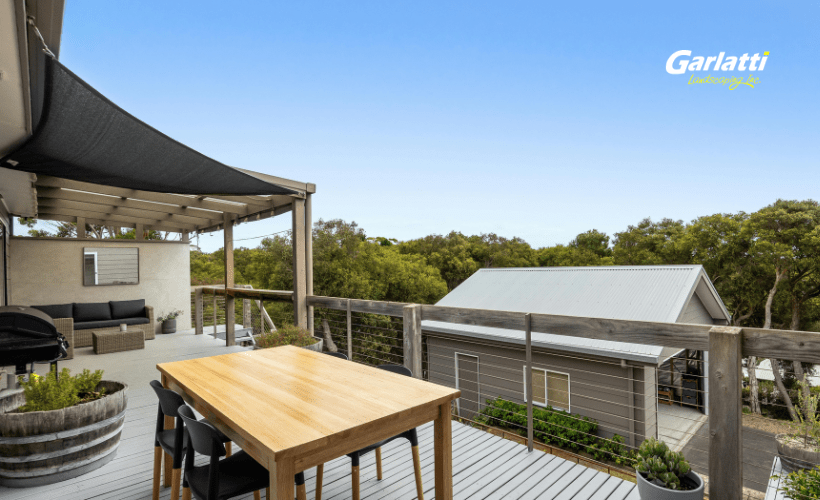
Selecting deck materials for Windsor weather starts with one fact: our region is hard on every outdoor custom built deck. Hot, humid summers, freezing winters, and dozens of freeze-thaw cycles each year stress boards, footings, and finishes. Wood, composite, and synthetic boards each respond differently to that stress. Choosing the right decking material determines how your deck looks, how much work it demands, and how long it lasts. Garlatti Landscaping Inc. has been the preferred deck installation contractor across Windsor, LaSalle, Amherstburg, and Lakeshore since 1990, and this guide compares all three material options based on what holds up in Essex County.
Why Windsor’s Climate Tests Every Deck
Windsor sits in a humid continental climate zone. Summers push past 30 degrees Celsius with humidity rolling in off the Detroit River and Lake St. Clair. Winters bring snow, ice, and repeated swings above and below the freezing point. Building a deck in Canada means planning for moisture, and southwestern Ontario sees more freeze-thaw swings than most provinces.
Freeze-thaw cycles cause most early deck failures in Essex County. Moisture enters each deck board in fall. It freezes and expands in winter, then thaws in spring. Wood splits, every fastener loosens, and surfaces splinter. Lake-effect humidity feeds mold and rot through the warmer months. Any honest review of decking products here must start with moisture resistance.
Deck Material Comparison at a Glance
The table below shows how each type of decking performs in Windsor-Essex conditions.
| Feature | Wood (Pressure-Treated/Cedar) | Composite | PVC |
|---|---|---|---|
| Windsor weather performance | Vulnerable to moisture and warping; splinters from freeze-thaw cycles | Highly resistant to warping; capped boards block moisture absorption | 100% synthetic; impervious to water, mold, and rot |
| Maintenance | High; sanding, staining, and sealing every 1 to 2 years | Low; occasional sweeping and washing | Ultra-low; occasional cleaning only |
| Lifespan | 10 to 15 years | 25 to 30 years | 30+ years |
| Upfront cost (CAD) | Budget-friendly | Moderate to high | Highest |
| Summer heat retention | Cools quickly; comfortable on bare feet | Can retain heat in direct sun | Stays cooler than composite |
Pressure-Treated Wood Decking and Cedar: Traditional Look, Ongoing Commitment
Pressure-treated lumber and western red cedar remain the most affordable ways to build a deck in Windsor. Homeowners love the look of natural wood, and damaged boards are easy to repair or replace. Premium hardwoods such as ipe wood cost far more and still demand oiling, so most local projects use pressure-treated boards or cedar.
The trade-off is maintenance. In Essex County, a wooden deck needs sanding and sealing every one to two years. Left unprotected, wood boards fade and stain unevenly, then crack and splinter. Skip the stain and sealer for one season and the damage accelerates. Wood absorbs moisture through every unsealed surface. Most wood decks here last 10 to 15 years, and that lifespan depends on steady upkeep. Cedar decking resists rot better than a pressure-treated deck, but it demands the same regular care.
Who Should Choose Wood
Wood suits homeowners who want the lowest entry price, enjoy natural wood grain, and accept a recurring maintenance schedule. It also stays cool underfoot during summer heat waves.
Composite Decking: The Best All-Round Performer
Composite decking, often called wood composite, blends plastic and wood into a single engineered board. Manufacturers start with recycled material, mostly recycled wood fibres and plastic film, then wrap the core in a protective polymer cap. Early uncapped composite decking material earned a poor reputation in wet areas. Today’s capped composite boards are designed to resemble real wood while blocking the moisture that destroys it.
Trex decking and TimberTech lead the local market; both premium composite lines bond a wood fiber core to a tough shell and carry 25-year warranties. This composite material resists Windsor’s lake-effect humidity and snow. The result is far less warping, no splintering, and colour that will not fade for decades. Maintenance drops to almost nothing: a composite deck needs occasional sweeping and a wash with soap and water, with no sanding or sealing. The best composite decking for our region uses a full cap on all four sides of the board.
Composite decking is also a strong resale feature. Buyers prefer wood alternatives that need no upkeep, and a composite deck keeps looking new for 25 to 30 years. The savings in time, labour, and refinishing buy peace of mind and often offset the higher purchase price.
One drawback: dark boards retain heat under direct sun exposure on hot July afternoons, so choose a lighter colour if your deck faces south.
PVC Decking: Maximum Moisture Resistance
A newer material called PVC decking, contains no wood at all. PVC boards are 100% synthetic, with no organic material inside them to rot, swell, or feed mold. Water cannot damage them. Premium PVC lines such as TimberTech Advanced PVC also stay cooler than composite under direct sun, and the decking comes in a wide range of realistic colours.
That performance makes a PVC deck the smart choice for specific Windsor-Essex properties:
- Waterfront homes along the Detroit River or Lake St. Clair, where humidity and spray are constant
- Decks that surround a pool or hot tub and stay wet for hours at a time
- Heavily shaded yards where boards dry slowly after rain
- Owners who want a 30+ year deck with the least possible upkeep
The boards carry the highest upfront cost of the three deck materials, but nothing else matches them on high-moisture sites.
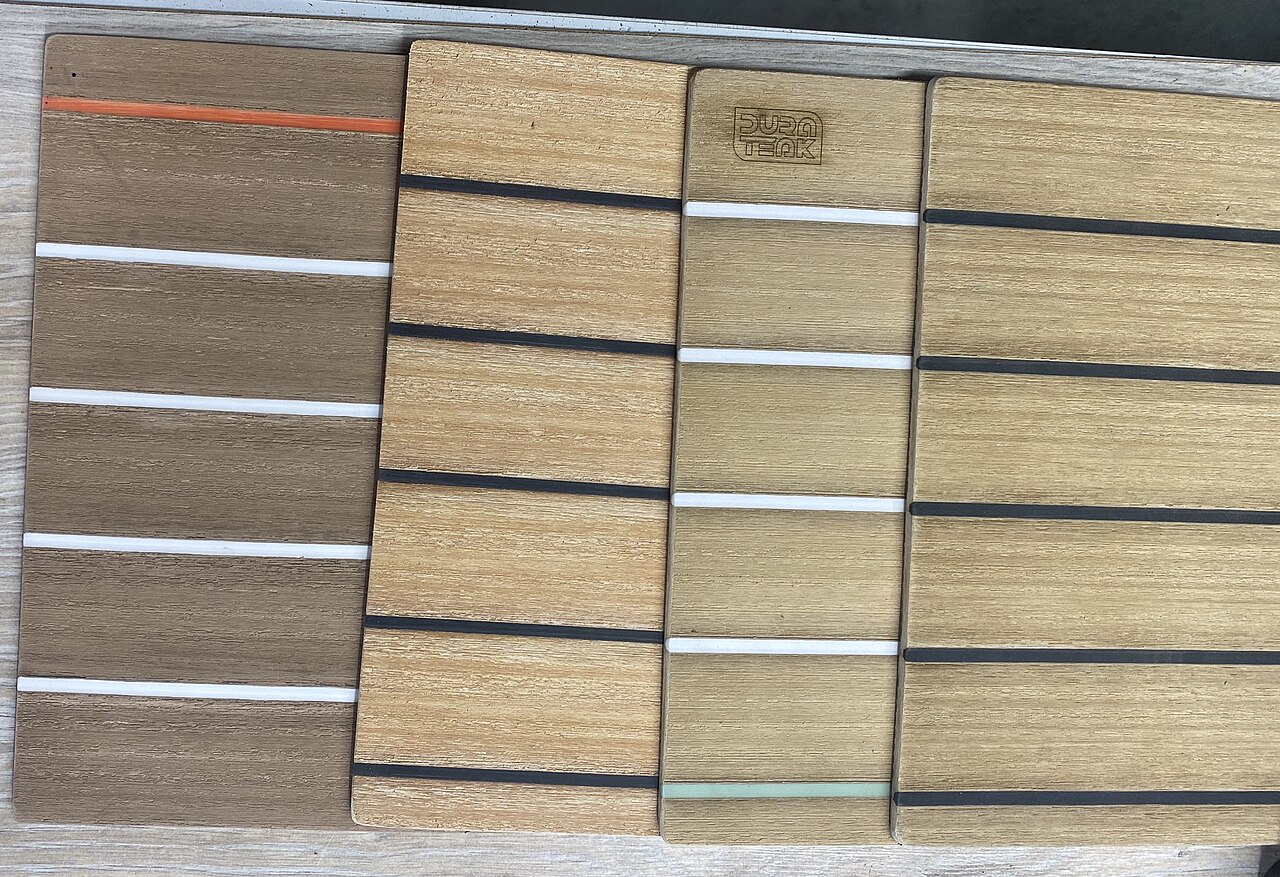
Image By Durateakpeter: https://commons.wikimedia.org/w/index.php?curid=153592756
Cost and Long-Term Value in Canadian Dollars
Upfront price tells only part of the wood vs composite decking story. A wood deck costs the least on day one, but refinishing every one to two years adds hundreds of dollars in stain, sealer, and labour across its life. Add replacement boards, and a wood deck often costs more over 15 years than a composite deck does over 30. Composite balances price and durability for most properties. Synthetic boards cost the most at purchase and reward that investment on wet, waterfront, and poolside sites. Weigh the pros and cons of each material against your budget and your tolerance for upkeep.
How to Choose the Right Decking Material for Your Yard
Homeowners planning a deck in Windsor-Essex face different site conditions on every street, so the best material for your neighbour may be the wrong choice for you. There is no single perfect material, only the perfect deck for your property. Before you commit to a quote on your deck project, work through these questions:
- What size and shape will the deck be? A larger deck raises wood’s lifetime maintenance cost and the upfront price of synthetic boards.
- Does the yard sit in full sun or heavy shade? The best decking option for a sunny exposure differs from the right pick for a damp, slow-drying lot.
- Is the deck near water, a pool, or a hot tub? Constant moisture favours synthetic boards.
- How long will you stay in the home? Short-term owners may prefer wood’s entry price, while long-term owners recover composite’s cost many times over.
Honest answers narrow the choice to the right deck. Each material type responds differently to drainage and exposure, so a site visit from a local contractor settles the rest.
Build It Right: Ontario Building Code Matters
Material choice means little if the structure beneath it fails. The Ontario Building Code requires deck footings in our region to reach below the frost line, which is 1.2 metres deep in Windsor-Essex. Footings that stop short of that depth heave during freeze-thaw cycles and push the whole deck out of level. Joist spacing also changes by material, since composite and synthetic boards need tighter spacing than standard lumber. An experienced deck and fence contractor handles permits, footings, and framing correctly the first time. Our guide on hiring a deck builder in Windsor explains what to look out for.
Build Your Dream Deck in Windsor-Essex
The best deck materials for your property depend on your yard, your budget, and the upkeep you will accept. Wood offers the lowest entry price, composite delivers the strongest balance of durability and value, and synthetic boards win beside water. Garlatti Landscaping Inc. has designed and built award-winning outdoor spaces across Windsor-Essex County for over 30 years.

Our deck installation team will assess your site, recommend the right boards, and build your deck to handle our weather. Call Sal at 519-734-0444 or contact us today for a free consultation on your new deck.



Share This Article
Choose Your Platform: Facebook Twitter Google Plus Linkedin